

Reusable foodware, run for you.
Reusable dishware, delivered, collected, and washed for you.
Zero deposit fees, no penalties for lost inventory.















- Miles of packaging avoided, the distance from SF to NY
- 2,800
- Units of annual capacity
- 720M
- Locations nationwide
- 4
- Metric tons of CO₂e avoided
- 5,000+
Sectors served
Built for institutional food service
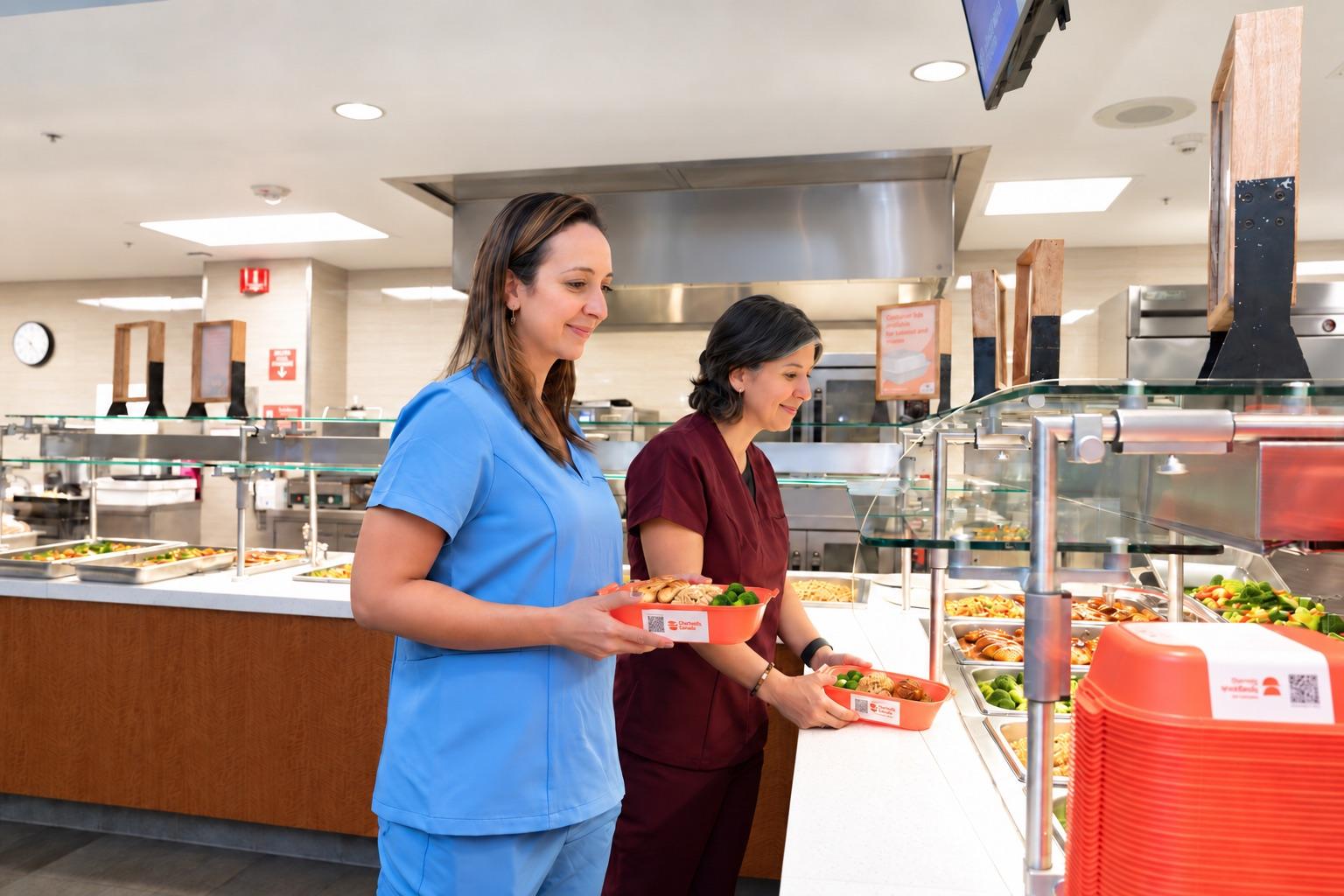
Healthcare
Consistent sanitation your infection control team will approve.

Education
Dining sustainability for colleges, universities and K–12, in the contract you already have.
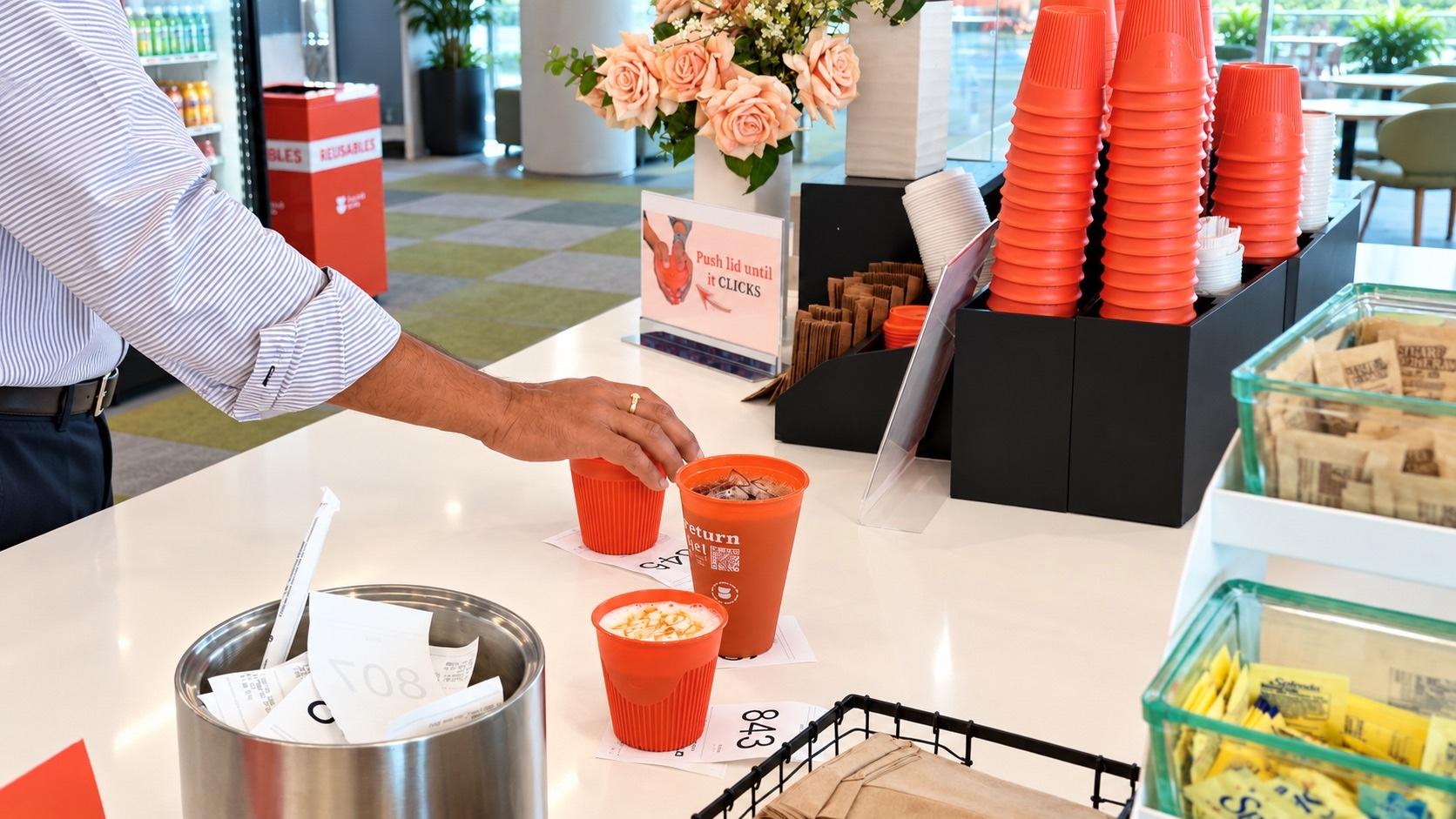
Corporate Dining
An employee experience upgrade without the operational lift.
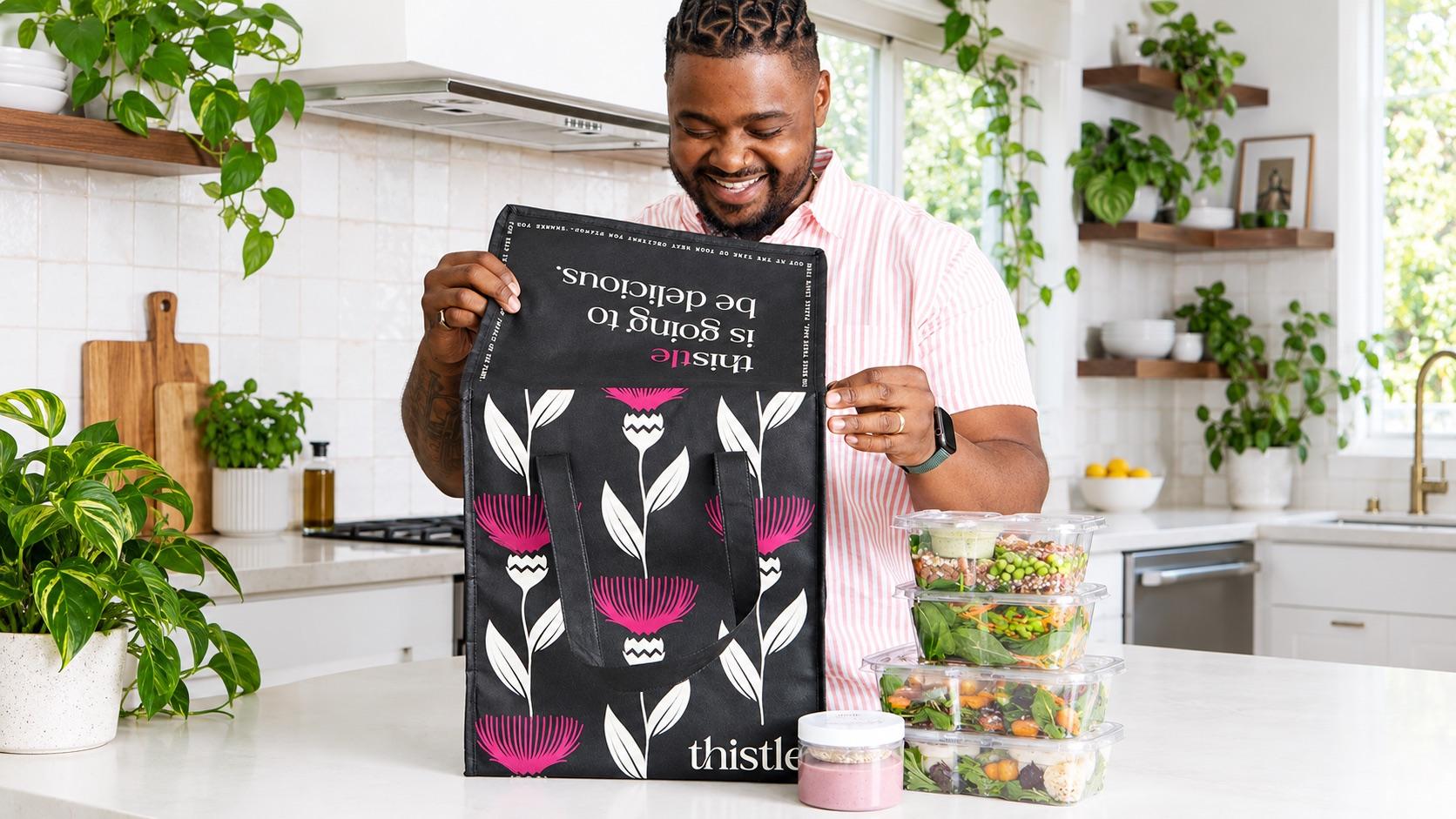
D2C Meal & Grocery
Meal and grocery delivery packaging, with the return trip handled.
Trusted by Leading National Food Service Providers
We integrate seamlessly with major on-site operators to align closed-loop systems to your current operations. Everyone’s job stays the same.
Are you a food service provider?
Learn how partnering with Dispatch Goods adds value to your existing contracts and wins regional green-tier awards.
Partner with us




Results
What customers see after switching
Return rates, annual savings, and waste avoided across corporate dining programs.
See customer stories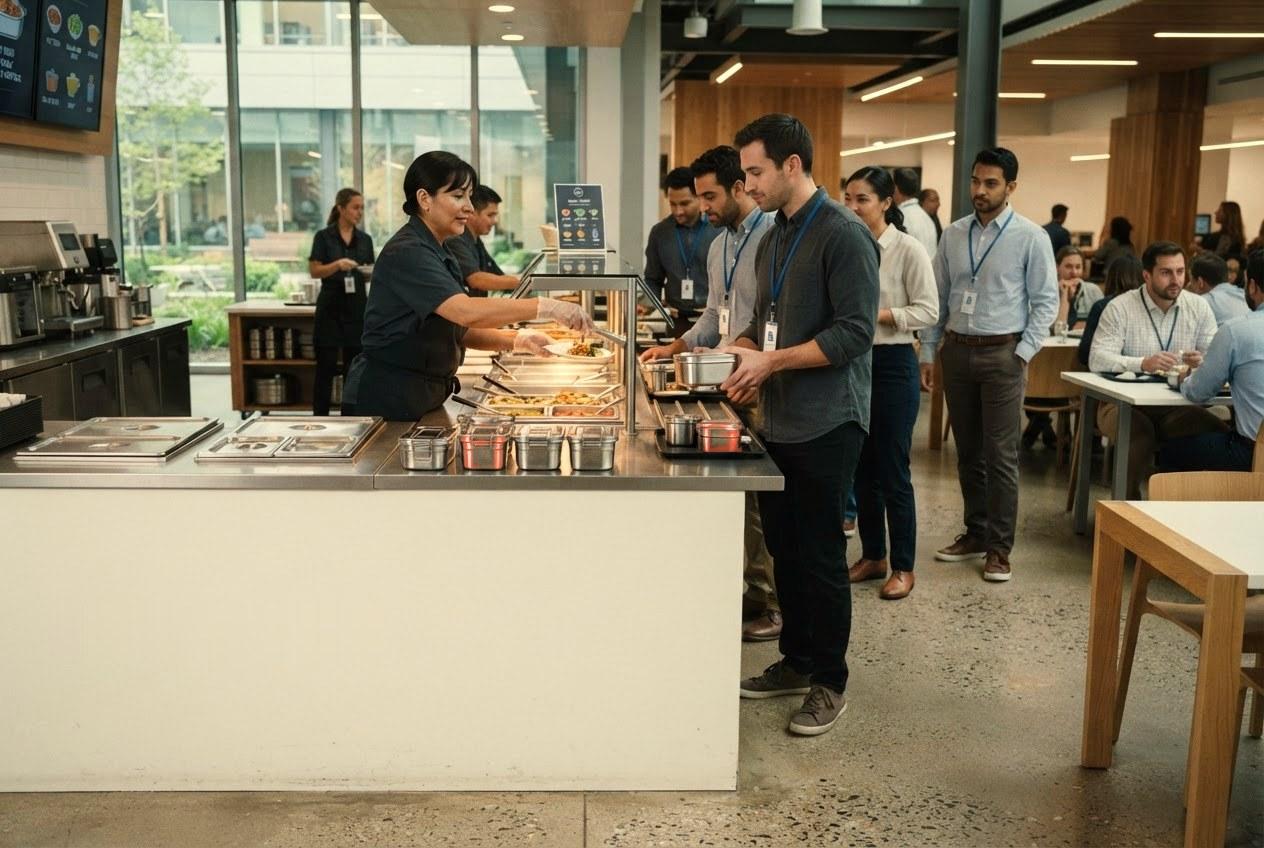
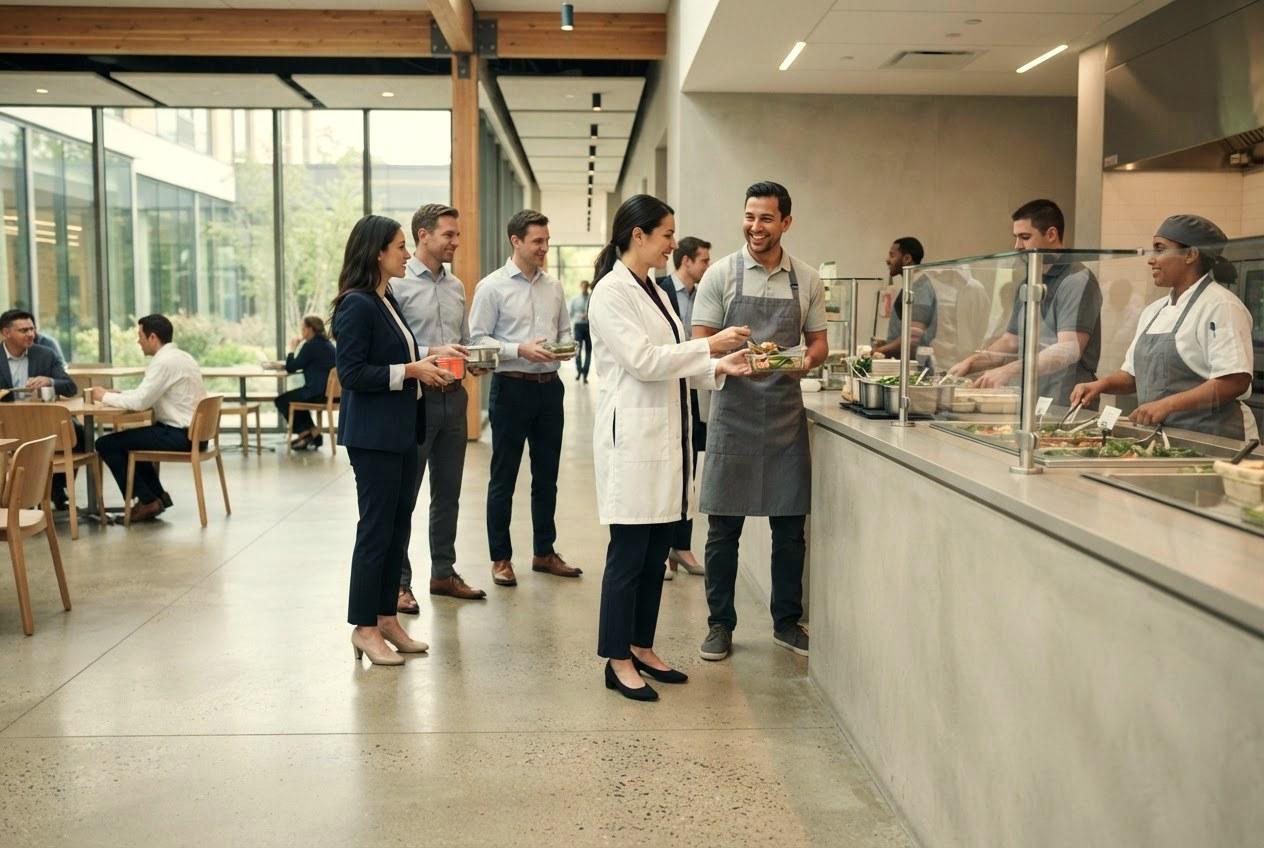
Corporate Dining
Global Medical Technology Manufacturer
- return rate
- 92%
- saved annually
- ~$18.5K
- tons of waste avoided
- 3.84
Corporate Dining
Global Pharmaceutical & Biotech Company
- return rate
- 98%
- added cost vs. single-use
- $0
- tons of waste avoided
- 19.3

Corporate Dining
Autonomous Vehicle Technology Company
- return rate
- 93%
- facilities
- 3 → 18
- tons of waste avoided
- 1.2
See customer stories
Explore all customer results.
Ready to scale
See what reuse the easy way looks like
Talk to our team about rollout timing, operational fit, and the metrics that matter most to your operations team.
How it works
Reuse, without the operational headache.
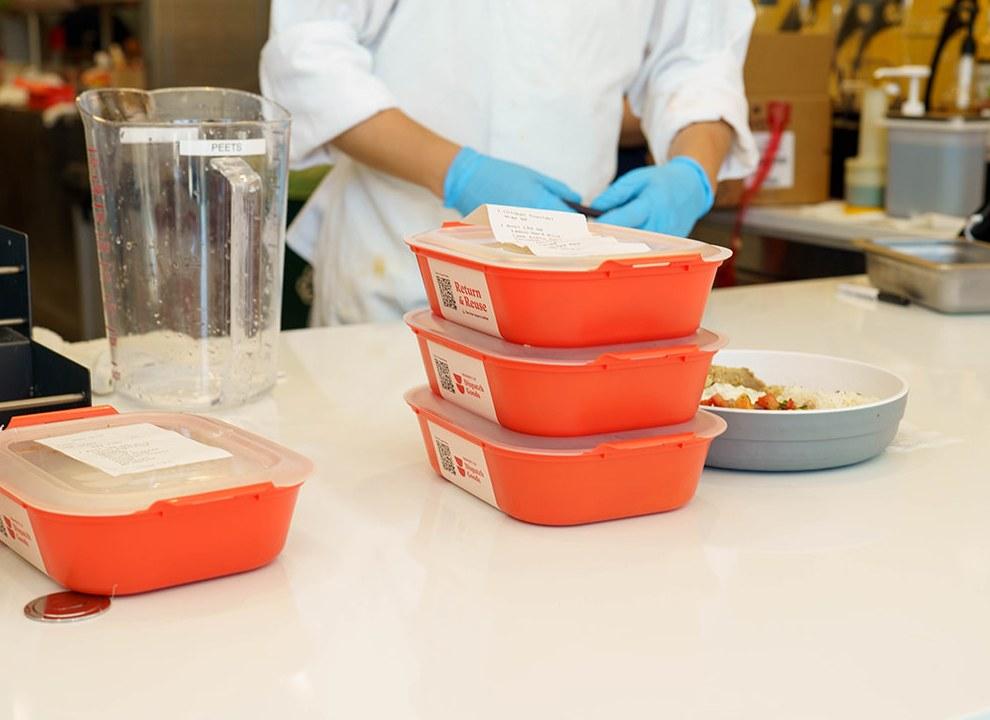
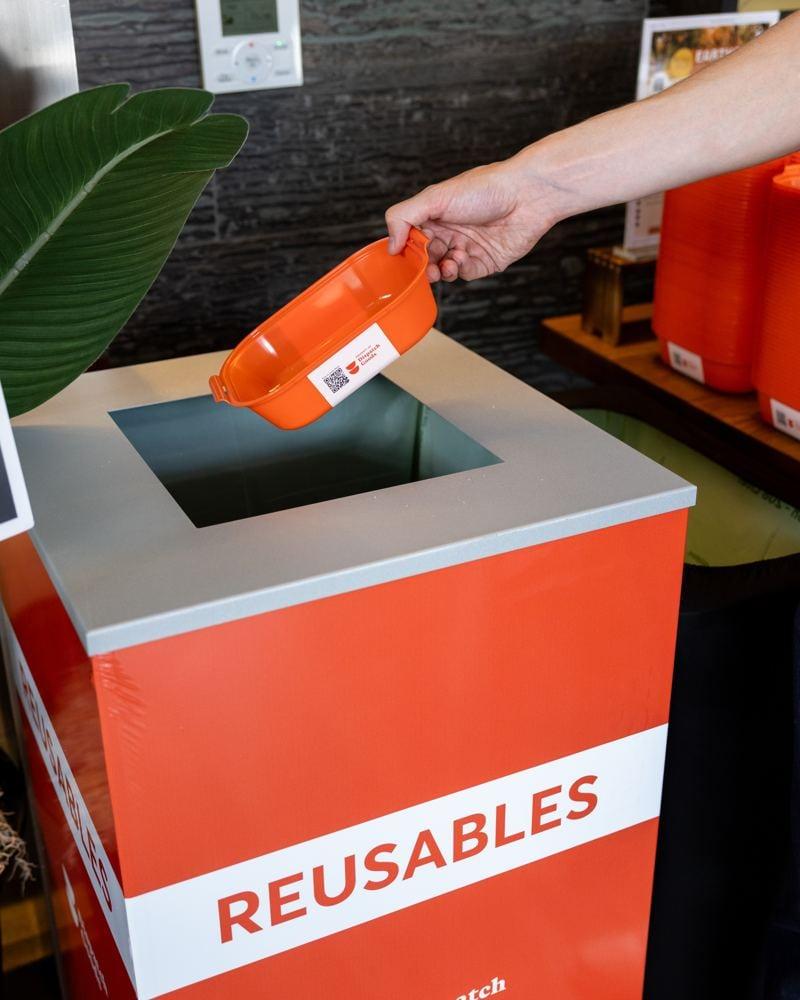
It works like the disposables you buy today. The only new thing is an orange bin beside your black, gray, green, or blue ones.
Your team
Step 1: You order.
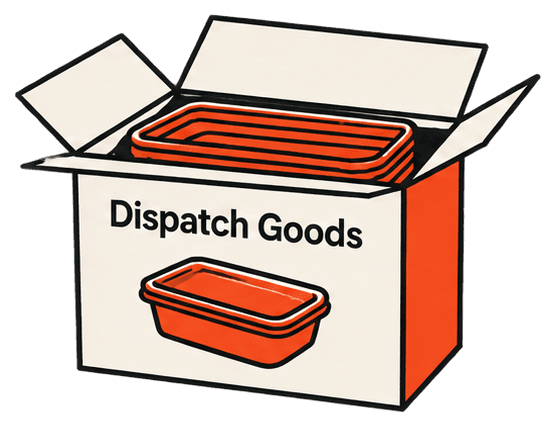
By the case, just like disposables.
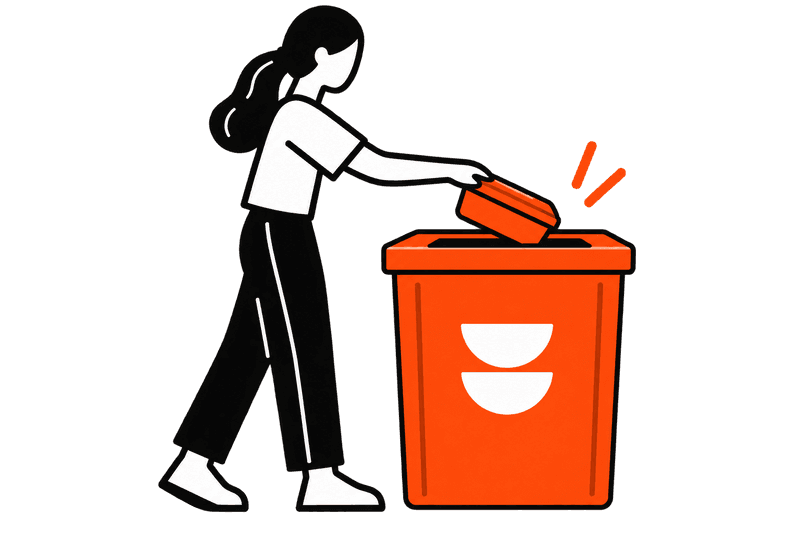
Step 2: Your people drop it in a bin.
Diners and employees put used pieces in the orange bin, like any other bin.
Dispatch Goods handles this
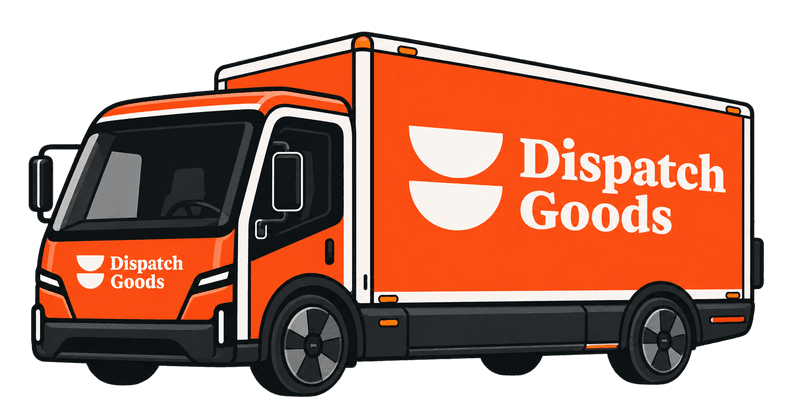
Step 3: We haul.
We pick up the full bins on a set schedule.
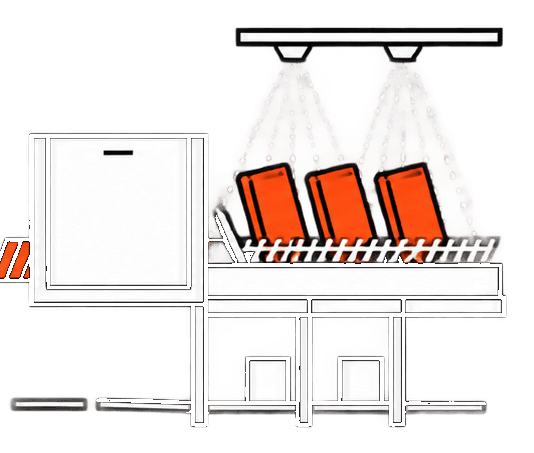
Step 4: We wash.
Commercially washed, sanitized, and inspected, then delivered back clean.
Regulatory pressure
The cost of single-use is about to change
Extended Producer Responsibility (EPR)
New state-level laws mandate that businesses funding packaging must pay for its post-use recovery. Single-use packaging, from plastics and mixed materials to compostables, faces escalating taxes that will tilt the economics in favor of closed-loop reuse systems.
- Taxes on non-reusable packaging set to triple by 2026.
- Compliance reporting automated natively through Dispatch ledger.
Regulatory compliance timeline
- 2024
EPR Fee Structuring
States enact baseline taxation rates.
- 2025
Mandatory Audit Readiness
Enterprise reporting and logistics audit standard.
- 2026
Penalty Implementation
Financial charges applied to unrecovered single-use packaging.
Explore the model
What could a shift to reuse look like?
Move the controls to see an illustrative impact scenario across water, carbon, and waste. These figures are for demonstration only and are not Dispatch Goods or customer results.
Water saved
Illustrative annual impact
480k gal
Equivalent to 0.7 Olympic pools saved each year.
Carbon avoided
Illustrative annual impact
424 t CO2e
Comparable to removing 92 passenger vehicles from the road.
Waste diverted
Illustrative annual impact
58 tons
Single-use packaging diverted from landfill and litter.
Hauling savings
What does reuse do to your hauling bill?
Less single-use packaging means less in the compost and trash bins, so you can book fewer pickups. Set your bins and hauler rate to see what changes.
At a Bay Area corporate campus, cutting one compost bin from two pickups a week to one saved about $7,300 a year in hauling: 1.6× the cost of the Dispatch Goods service.
Net savings
$2,772 / yr
$231 a month after the Dispatch Goods fee.
Hauling saved
$7,332 / yr
Covers the Dispatch Goods service 1.6×.
Pickups avoided
52 / yr
From 1 bin, 1 fewer a week each.
- Today
- $14,664
- With Dispatch Goods
- $11,892
Breaks even at a hauler rate of $380 per weekly pickup.
Net savings $2,772 a year

Customer voice
Through our partnership with Dispatch, we were able to offer a truly sustainable and elevated packaging experience to our office catering clients - which had been a big pain point for both us and our clients - into one of our most powerful levers for customer acquisition, retention, and growth.